“The rubber boom built empires—and erased peoples.”The Rubber Fever
Feature Film – Historical Drama
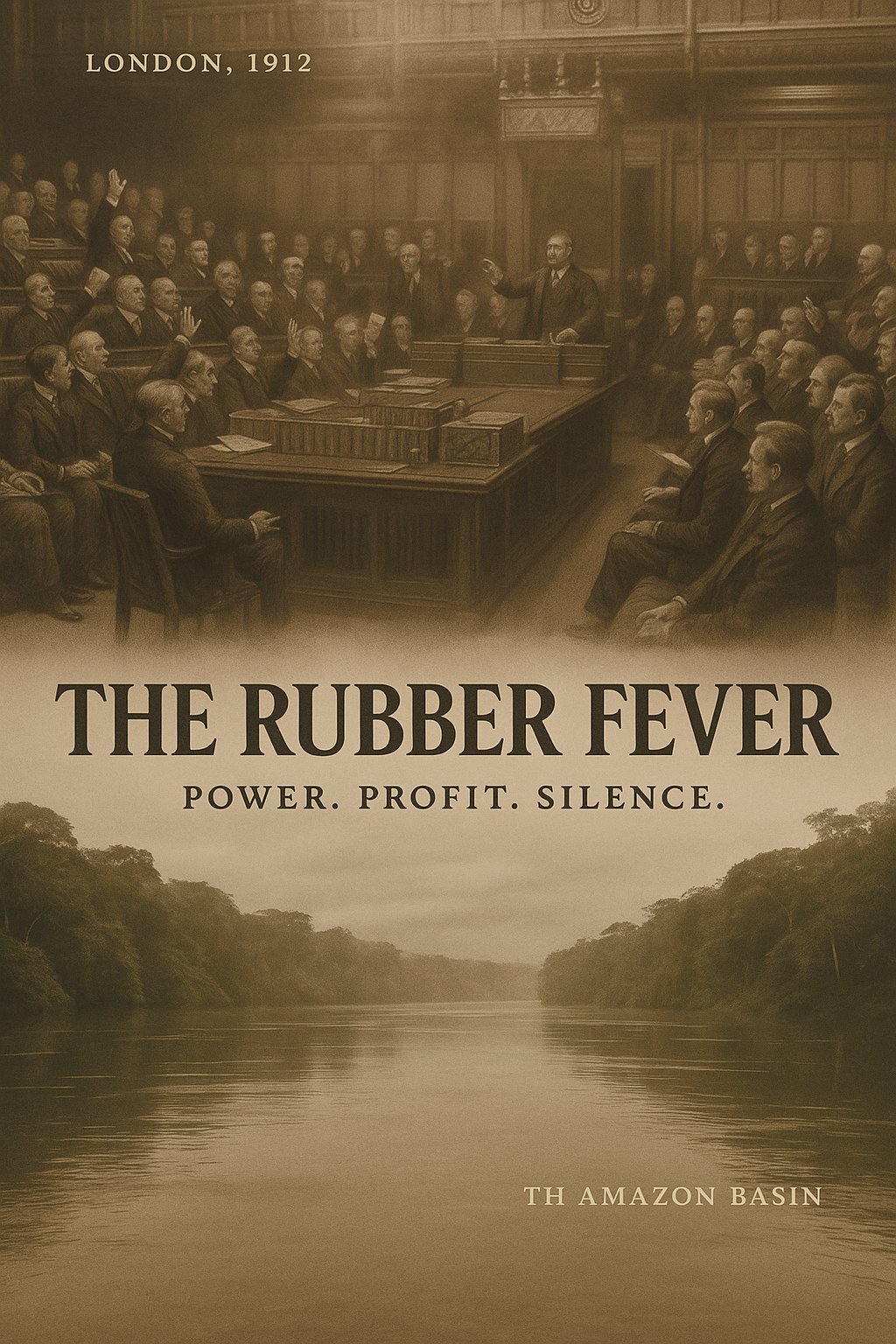
LoglineDuring the height of the Amazon rubber boom, a ruthless tycoon’s empire is built on the near-extermination of Indigenous communities, until an unlikely alliance threatens to expose one of the greatest human rights crimes of the early 20th century.
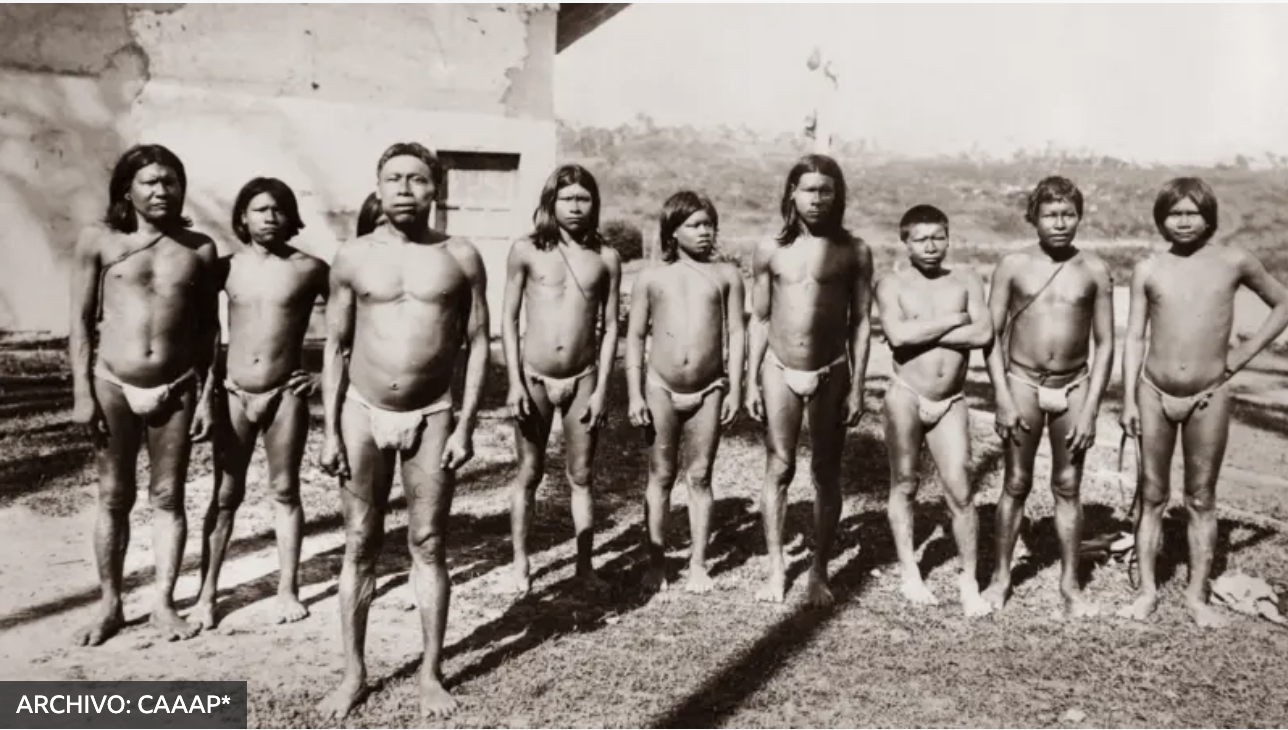
Brief SynopsisSet in the Amazon Basin at the dawn of the 20th century, The Rubber Fever explores the brutal reality behind the global rubber trade that fueled industrial progress in Europe and the United States. As fortunes are made in distant capitals, Indigenous communities—particularly the Huitoto people—are subjected to forced labor, torture, and mass killings under the regime of powerful rubber barons.
At the center of the story is the rise of a charismatic yet merciless entrepreneur whose operations stretch from the Peruvian jungle to London’s financial elite. When reports of atrocities begin to surface, a fragile chain of witnesses, intermediaries, and foreign officials risks everything to bring the truth to light—challenging imperial interests, economic greed, and global indifference.
The Rubber Fever is a historical drama about exploitation and silence, power and accountability, and the human cost hidden behind modern prosperity.
Stage of DevelopmentScreenplay Revision / International Co-Production Phase
The project is currently in screenplay revision, incorporating historical research and narrative refinement.
We are actively seeking international partners worldwide, including:
Co-producers
Development partners
Cultural and historical institutions
Broadcasters, streamers, and sales agents interested in prestige historical cinema
Frequently Asked Questions
-
The project is open to development and production financing through international co-production, public funds, private equity, and institutional partnerships.
-
Yes. The film is conceived from the outset as an international co-production, inviting partners from Latin America, Europe, and beyond.
-
We are currently engaging in early conversations with sales agents and distributors interested in prestige historical cinema with strong international appeal.
-
The project is in screenplay revision, combining historical research with narrative refinement while building strategic partnerships.
-
The film addresses historical exploitation and Indigenous rights, themes that resonate strongly with contemporary global discussions on accountability and memory.
-
You can reach us anytime via our contact page or email. We aim to respond quickly—usually within one business day.